

Blog
How to Choose Foundation for Your Skin Type: Coverage, Finish


How to choose foundation?
How to choose foundation the right foundation is one of the most important steps in achieving a flawless makeup look. However, with hundreds of formulas, finishes, and shades available, finding the perfect match can feel overwhelming. Fortunately, once you understand your skin type and coverage needs, the process becomes much easier. Additionally, learning how to match your undertone and identify the right finish helps ensure that your foundation looks natural, feels comfortable, and lasts throughout the day.
In this complete guide, you’ll learn how to choose the right foundation for your skin type, how different formulas work, and how to find the perfect shade for your complexion. Whether you’re new to makeup or looking to upgrade your routine, this guide offers expert advice to help you make the best choice.
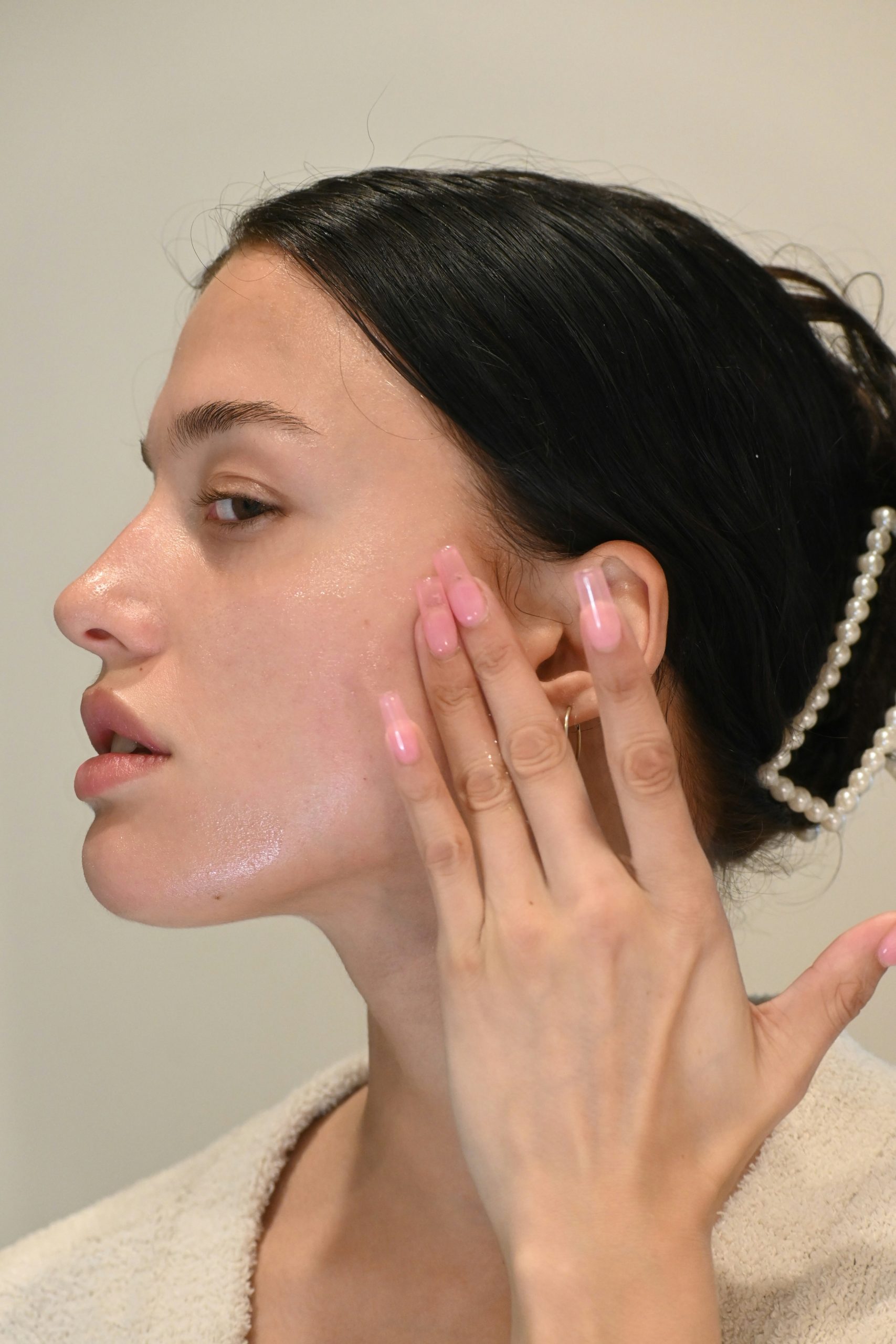
2: Understanding Your Skin Type
Before choosing a foundation, you must understand your skin type. Each skin type requires a different formula for the best results.
3: Oily Skin
People with oily skin tend to experience shine, enlarged pores, and makeup that slips throughout the day. Therefore, matte or oil-control foundations work best because they reduce shine and provide longer wear.
Look for:
-
Oil-free formulas
-
Matte or semi-matte finishes
-
Long-wear or transfer-resistant formulas
-
Powder foundations
These options help maintain a smooth, shine-free appearance.
3: Dry Skin
Dry skin often feels tight, flaky, or rough. Because of this, foundations with hydrating ingredients and dewy finishes work best. They help soften dry patches and create a radiant appearance.
Recommended options include:
-
Hydrating liquid foundations
-
Serum foundations
-
BB creams
-
Dewy or luminous finishes
These formulas enhance moisture and improve radiance.
3: Combination Skin
Combination skin features both oily and dry areas. Typically, the T-zone becomes oily while the cheeks remain dry. Choosing a foundation that balances hydration and oil control is essential.
Ideal formulas include:
-
Natural finish foundations
-
Semi-matte formulas
-
Medium-coverage liquids
These options prevent shine without emphasizing dry areas.
3: Sensitive Skin
Sensitive skin reacts easily to fragrances, alcohol, and harsh chemicals. Therefore, gentle, hypoallergenic foundations are best.
Look for:
-
Fragrance-free formulas
-
Non-comedogenic foundations
-
Mineral foundations
These maintain comfort while preventing irritation.
3: Normal Skin
Normal skin is neither too oily nor too dry. As a result, most foundation types work well. You can choose based on preference rather than concern.
2: Choosing the Right Foundation Coverage
Foundation coverage determines how much of your natural skin shows through. Choosing the correct level is essential for achieving the desired look.
3: Sheer Coverage
Sheer foundations provide a natural, barely-there look. They are ideal for people who want to even out skin tone without covering freckles or texture.
Examples include:
-
Tinted moisturizers
-
Lightweight BB creams
-
Serum foundations
These options are perfect for everyday wear.
3: Medium Coverage
Medium coverage is the most versatile level. It evens out discoloration while still looking natural. Additionally, it can be layered for more coverage when needed.
This level suits most skin types and occasions.
3: Full Coverage
Full-coverage foundations provide a perfected, photo-ready look. They conceal acne, pigmentation, scars, or redness.
They are ideal for:
-
Events
-
Long-wear makeup
-
People with uneven skin tone
Although full coverage is powerful, blending is essential to maintain a natural finish.
2: Choosing the Right Foundation Finish
The finish of a foundation determines how it reflects light and how it appears on the skin.
3: Matte Finish
Matte foundations reduce shine and create a smooth, velvety look. They are excellent for oily or combination skin.
Benefits:
-
Long-lasting
-
Minimizes appearance of pores
-
Controls oil
3: Dewy Finish
Dewy foundations create a glowing, hydrated look. They work well for dry or normal skin.
Benefits include:
-
Radiant appearance
-
Hydrating feel
-
Youthful look
3: Natural Finish
A natural finish mimics the skin’s appearance. It’s neither too matte nor too dewy, making it perfect for most skin types.
This finish is ideal for everyday wear because it blends seamlessly.
3: Satin Finish
Satin finishes fall between matte and dewy. They offer a soft, subtle glow while still maintaining a polished appearance.
These are ideal for people who want moderate radiance without shine.
2: How to Match Foundation to Your Skin Tone
Matching foundation shade is often the most challenging step. However, following these guidelines makes the process easier and more accurate.
3: Identify Your Undertone
Undertones fall into three categories:
-
Cool (pink, red, or bluish tones)
-
Warm (yellow, golden, or olive tones)
-
Neutral (a balanced mix of warm and cool)
Ways to identify undertones:
-
Vein test: Blue veins = cool, green veins = warm
-
Jewelry test: Silver looks better on cool tones; gold looks better on warm tones
-
Natural response to sun: Warm undertones tan easily; cool undertones burn easily
3: Test Foundation in Natural Light
Lighting significantly affects how a foundation appears. Therefore, always test shades in natural daylight. Indoor lighting can distort the true color.
3: Swatch Along the Jawline
Testing foundation on the jawline allows you to match both your face and neck. The best shade disappears into your skin without creating a visible line.
3: Consider Seasonal Changes
Skin tone can shift throughout the year. Many people need a lighter foundation in winter and a deeper one in summer. Keeping two shades ensures a perfect match year-round.
2: Choosing the Right Formula Based on Your Needs
Different lifestyles and skin concerns require different foundation formulas. Choosing the one that suits you best improves both comfort and longevity.
3: Liquid Foundations
Liquid formulas are the most versatile. They come in matte, natural, and dewy finishes and are suitable for all skin types.
3: Powder Foundations
Powder foundations are ideal for oily skin because they absorb excess oil. However, they may emphasize dry patches on dry skin types.
3: Stick Foundations
Stick foundations offer convenient, buildable coverage. They’re perfect for touch-ups and travel.
3: Serum Foundations
These lightweight formulas combine skincare benefits with sheer coverage. They are excellent for dry or mature skin.
2: Tips for Applying Foundation Flawlessly
Even the perfect foundation requires proper application for the best results.
3: Prep Your Skin
Start with:
-
Cleanser
-
Moisturizer
-
Primer (optional but recommended)
This ensures smooth application.
3: Use the Right Tools
Choose:
-
Brushes for full coverage
-
Sponges for natural finishes
-
Fingers for lightweight formulas
3: How to choose foundation
Apply thin layers and build coverage gradually. This prevents cakiness.
3: Set Your Foundation Properly
People with oily skin benefit from setting powder, while those with dry skin may prefer hydrating setting spray.
2: Final Thoughts: Choosing the Perfect Foundation
Finding the right foundation doesn’t have to be difficult. By understanding your skin type, identifying your undertone, choosing the right finish, and testing shades accurately, you can achieve a flawless, natural-looking complexion. Additionally, using proper application techniques ensures long-lasting results and a seamless blend.
Ultimately, the perfect foundation should:
-
Enhance your natural beauty
-
Feel comfortable
-
Match your skin tone
-
Last throughout the day
With the right knowledge and tools, you can confidently choose a foundation that meets all your needs.