
Blog
Is It Safe to Use an LED Light Therapy Mask Every Day for Skincare?

Is It Safe to Use an LED Light Therapy Mask Every Day for Skincare?
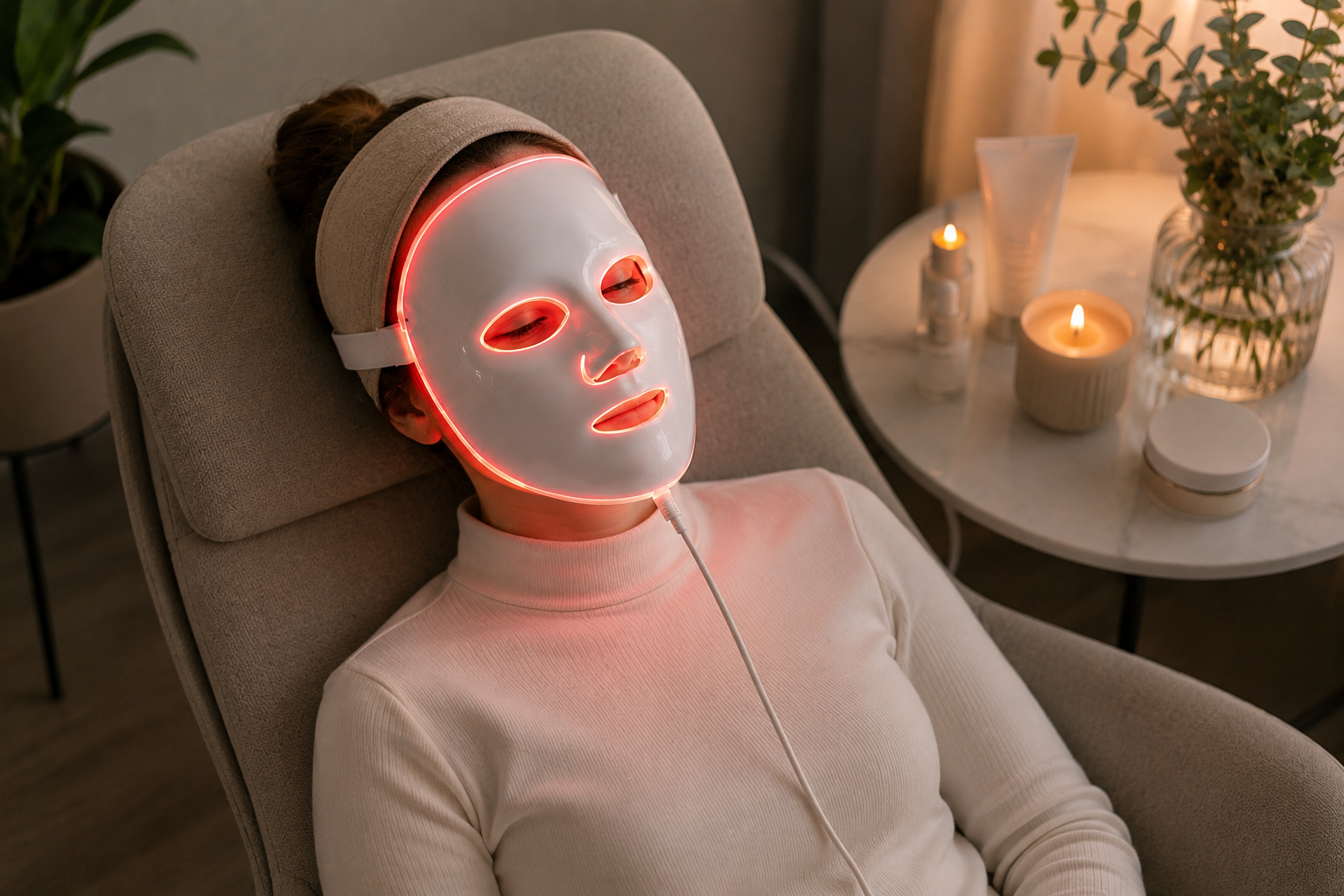
LED light therapy masks have become a popular addition to at-home skincare routines. They are convenient, non-invasive, and designed to use specific wavelengths of light to target different skin concerns. But one common question remains: Is it safe to use an LED light therapy mask every day?
The answer depends on the device, the light wavelength, and the manufacturer’s recommended treatment schedule. Although LED masks are generally designed for home use, using them more frequently than recommended does not necessarily produce faster or better results.
How Does an LED Light Therapy Mask Work?
LED light therapy uses specific wavelengths of light to interact with the skin. Different wavelengths are commonly associated with different skincare goals.
For example, red light is often used in routines focused on overall skin appearance, while blue light is commonly included in products designed for acne-prone skin. Some masks combine several wavelengths in a single device.
Unlike tanning lamps, skincare LED masks are not intended to use ultraviolet (UV) light. However, that does not mean every device should be used without following safety instructions.
Can You Use an LED Mask Every Day?
Some LED masks may be designed for daily use, while others recommend treatment only a few times per week.
There is no universal schedule that applies to every LED face mask. The ideal frequency depends on the device’s design, light intensity, wavelength, and treatment duration.
For this reason, always follow the instructions provided by the manufacturer. If your mask recommends three or four sessions per week, increasing it to seven sessions is not necessarily better.
Skincare treatments often require consistency rather than excessive use.
Why More Is Not Always Better
It can be tempting to use an LED mask every day when you want faster results. However, longer or more frequent sessions do not automatically mean that your skin will improve more quickly.
Overusing any skincare device may increase the chance of irritation, dryness, or discomfort, particularly if you have sensitive skin.
If your skin becomes unusually red, irritated, dry, or uncomfortable after using an LED mask, reduce or stop treatment and follow the manufacturer’s guidance. If the symptoms continue, consider speaking with a dermatologist.
How Often Should You Use an LED Mask?
The recommended frequency varies between products. Some at-home LED masks are designed for several short sessions per week, while others may be suitable for more frequent use.
Before starting a routine, check:
- The recommended number of sessions per week
- The recommended treatment duration
- Which wavelengths the mask uses
- Whether the device should be used on clean, dry skin
- Any eye-protection requirements
- Specific warnings or precautions
Following these instructions is one of the easiest ways to use an LED mask responsibly.
Is Daily LED Therapy Suitable for Sensitive Skin?
People with sensitive skin should be particularly careful when introducing any new skincare device.
Start by following the lowest recommended frequency rather than assuming daily treatment is appropriate. Pay attention to how your skin responds after each session.
Avoid combining an LED mask with a large number of potentially irritating products immediately before treatment unless the device manufacturer or your skincare professional specifically recommends it.
If you have a diagnosed skin condition, are taking photosensitizing medication, or are unsure whether LED therapy is suitable for you, ask a healthcare professional before using the device.
Should You Use Skincare Products Before an LED Mask?
For many LED masks, clean and dry skin is recommended before treatment. This allows the device to be used according to its intended design.
However, recommendations can vary between devices. Some products may be designed to work alongside specific skincare products.
Avoid assuming that every serum, cream, or active ingredient is compatible with LED treatment. Always check the instructions for your particular mask.
After treatment, you can generally continue with a simple skincare routine appropriate for your skin type, such as moisturizer and sunscreen during the day.
How to Build a Safe LED Skincare Routine
A simple routine can make LED therapy easier to maintain.
Start by cleansing your face gently and removing makeup, sunscreen, and excess oil. Use the LED mask according to the manufacturer’s instructions, including the recommended treatment time.
After the session, apply your usual moisturizer if needed. During the daytime, finish with broad-spectrum sunscreen to help protect your skin from UV exposure.
Most importantly, keep your routine consistent rather than increasing treatment time or frequency in an attempt to achieve faster results.
When Should You Avoid Using an LED Mask?
You should follow the specific safety warnings provided with your device. Some people may need additional caution, particularly those using medications or products that can increase sensitivity to light.
If you experience significant pain, burning, persistent irritation, or unusual skin reactions, stop using the device and seek professional advice.
People with certain medical conditions or those taking photosensitizing medications should consult a healthcare professional before starting LED light therapy.
Final Thoughts
So, is it safe to use an LED light therapy mask every day? It can be safe for some devices when daily use is specifically recommended by the manufacturer, but daily treatment is not appropriate for every LED mask.
The safest approach is simple: follow the instructions for your specific device, respect the recommended treatment time, and pay attention to how your skin responds.
Using an LED mask consistently and correctly is more important than using it as often as possible. Combined with gentle skincare, hydration, and daily sun protection, LED light therapy can be a convenient addition to an at-home skincare routine.